
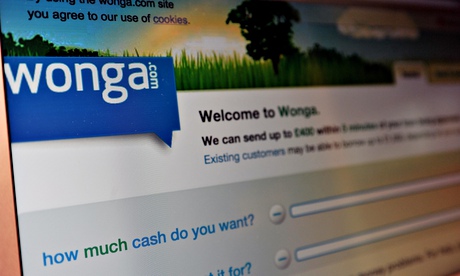
Wonga, the controversial payday lender, is writing off debts for 330,000 customers and interest costs for 45,000 others, totalling £220m.
1. What exactly is Wonga doing?
It has agreed to write off the entire debts of 330,000 customers who are in arrears of 30 days or more. A further 45,000 customers who have fallen behind with their debt repayments for up to 29 days (as of 2 October) will have all interest and other charges wiped out. They will still have to repay their debt but Wonga will give them the option to pay over an extended period of four months. Altogether, across the 375,000 customers, Wonga will be writing of £220m of debt.
2. Why is it doing this?
Wonga is not doing this out of the goodness of its heart. These loans should never have been made in the first place, as they do not comply with the new lending criteria agreed with the City regulator, the Financial Conduct Authority (FCA). In effect, Wonga was giving money to borrowers who were never in a position to be able to repay it.
3. What spurred Wonga into this surprise move?
It followed discussions between the payday lender and the FCA. The regulator said in a statement that Wonga “was not taking adequate steps to assess customers’ ability to meet repayments in a sustainable manner”. Clive Adamson, director of supervision at the FCA, added: “We are determined to drive up standards in the consumer credit market and it is disappointing that some firms still have a way to go to meet our expectations.”
4. How will this affect the company?
Wonga will take a £35m hit – just days after its profits more than halved to £39.7m last year. It has already paid out £18.8m in “remediation costs” after sending fake lawyers’ letters to customers in arrears. The company has also introduced new interim lending criteria, which means it will be accepting far fewer loan applications and some existing customers will be barred from reapplying for loans for 30 days.
5. What are payday loans anyway?
They are short-term loans, usually a few hundred pounds, that are generally used to tide people over until they receive their next pay cheque (an alternative to an unauthorised overdraft). It tends to be emergency borrowing, for example when a big unexpected bill turns up in the mail or someone suddenly has to fork out for a new washing machine. But the loans come with exorbitant rates of interest.
6. How widespread are these loans?
It is estimated that about two million people in Britain use payday loans. And, contrary to some expectations, borrowers are not just the unemployed or those without bank accounts. The Office of Fair Trading described the typical borrower as “a young male, earning more than £1,000 monthly, and in rented accommodation. Many are unmarried with no children”.
7. What other options do people have if they can’t borrow from mainstream lenders?
Credit unions and community banks are ethical alternatives which charge a lot less than payday lenders.
8. How will I know if my loan or interest with Wonga will be written off?
Affected customers will be contacted by 10 October.
9. What has the reaction been?
There are calls for Wonga to be recalled to parliament to explain in front of the Treasury committee what went so badly wrong. There also suggestions that action should be taken against Wonga’s founder and former CEO, Errol Damelin.
