
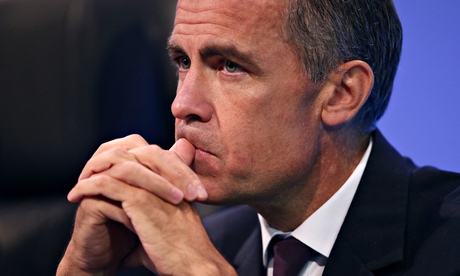
Seven years ago this month panicked savers queued outside branches of Northern Rock to withdraw their cash. The Bank of England is so desperate to ensure those scenes will not be repeated – should Scotland vote to break away from the UK – that governor Mark Carney is taking a near 20-hour flight to take charge.
Even though a yes vote will cause no immediate change to the way savers are protected by the Financial Services Compensation Scheme (FSCS) – which guarantees up to £85,000 for each saver in each bank – there are concerns that savers could still react by pulling out their money from Scottish banks.
To be prudent, high street banks are loading cash machines with notes and, no doubt, secure vans from G4S and Securicor will be ready to be deployed if necessary. Their staff are on alert to turn up to work early in case of panic on the part of savers while call centres have prepared to respond to a surge in enquiries.
Sir John Gieve, former deputy governor of the Bank of England in office during the banking crisis, said Threadneedle Street would be well staffed too, in the early hours of tomorrow, waiting for the outcome of referendum, expected shortly after 5am.
"They'll be there very early, certainly there for the result, and their first priority is to calm markets. In the initial aftermath nothing changes, it's only a decision to change in future," Gieve told the Today programme. "Nonetheless there is bound to be some uncertainty, some possibility of deposit flight and some further marking down of the pound and the UK generally."
Carney will fly in overnight from the G20 meeting of finance ministers and central bank governors being held in Cairns, Australia, to be in the UK in case contingency plans his staff have drawn up need to be implemented.
Gieve shed light on what this might entail. "On deposit flight they can work with the banks to make sure that cash is recycled … make sure the ATMs are full, make sure there are plenty of notes everywhere and make sure banks' internet systems work and so you don't get the sort of panic that developed from Northern Rock."
That was the other problem that customers faced during the Northern Rock crisis in September 2007: a website overloaded with inquiries. The use of internet banking has increased since then, so banks are expected to have taken steps to ensure that this time their digital services can cope with any extra demand.
To reassure savers Carney is likely to move quickly to stress that all UK banks will remain covered by the FSCS until Scotland's independence comes into effect 18 months later. This would be intended to reduce the possibility that savers with cash in Scottish banks decide to move their money.
Even before the result, the FSCS was spelling this out on Wednesday . "In the event of a vote in favour of Scottish independence all depositors in these UK-authorised firms (banks, building societies and credit unions), including those in based in Scotland, would continue to receive full FSCS protection. The current arrangements would continue throughout the transition period until the date of formal separation," the FSCS said.
Carney will also have a team scrutinising the foreign exchange markets, watching out for any sign of a collapse in sterling or reverberations across the globe. He could, in extreme circumstances, step in to support the currency or raise interest rates. Gieve thinks this is something the policymakers will want to avoid, instead relying on "persuasion" to convince the markets that nothing has changed – at least not immediately.
If Scotland votes no the contingency plans will remain just that – and the Bank's governor will have flown half way around the world for a normal Friday morning.
