
Fastest growth for nearly two years
It may have been bang in line with experts' forecasts, but 0.6% growth was the strongest performance the economy has managed since the third quarter of 2011 – barring the Olympics-related bounce last summer.
Treasury officials point out how much things have changed over the past three months. When the first-quarter growth numbers were released, there were widespread fears that they would show the UK had slumped back into recession, following a 0.2% decline in the final quarter of 2012. Instead, two successive quarters of growth will mean that Ed Balls will have to retire his "flatlining" hand gesture in the House of Commons.
Growth across the board
For the first time since the third quarter of 2010, all the major sectors of the economy – services, industry and construction – showed growth. This reinforces George Osborne's argument that everyone will benefit from the recovery. It may not mark the hoped-for rebalancing, but it means that construction and manufacturing – both of which have struggled over the past year – are no longer a drag on the economy.
The Bank of England won't spoil the party
Even if a 0.6% expansion of gross domestic product is strong enough to stay the Bank of England's hand for the time being, higher interest rates are a long way off. The Bank's new governor, Mark Carney, has made it clear that he has no intention of putting the brakes on until the UK has reached what he calls escape velocity.
Financial markets are not expecting rates to go up until at least 2016. That should make firms and homeowners feel more confident about spending, and in turn, cement the recovery further.
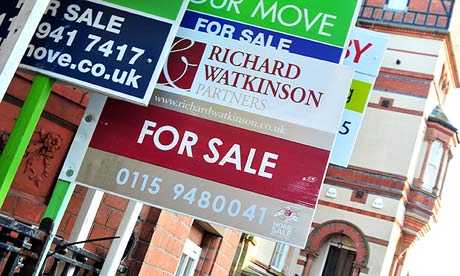
The housing market is on the up
After a long drought, the Treasury's Funding for Lending Scheme, which got under way a year ago, has helped to open up the mortgage taps, getting the housing market moving again.
The latest Nationwide numbers suggested that June house prices were up 1.9% on a year earlier, while mortgage approvals were at their highest level for three and a half years in May. In property-mad Britain, rising prices boost consumer confidence, and the effects are then felt in other industries, as buyers rush to refurbish new homes.
Unemployment is falling
The latest jobless figures, in June showed the number of people claiming unemployment benefit has been falling at its fastest pace in three years.
While there are plenty of caveats – about the number of "under-employed" people stuck in part-time jobs, on insecure contracts or on poverty pay – the labour market does appear to be improving.
The hope is that falling unemployment will eventually start to drive up long-stagnant wages, as employers are forced to compete for staff.
