
The UK parliament's international development committee has called on Tanzania to seek prosecutions for bribery in relation to a $44m (£28m) defence deal with BAE Systems. It says Tanzania should bring individuals to court to answer allegations that corrupt payments were made during the sale of a military air traffic control system.
In 2010 BAE was fined for concealing payments of $12.4m to Sailesh Vithlani. BAE claimed the payments to Vithlani were for lobbying and marketing. After an investigation by the Serious Fraud Office (SFO), BAE was ordered to repay the full value of the contract to the people of Tanzania.
Last month, the Tanzanian high commissioner in London wrote reassuring the committee of his country's "intention to ensure that individuals involved in this case face justice".
The chairman of the committee, Malcolm Bruce, said this case was particularly important to the development committee because "corruption undermines the rule of law and hampers development – it cannot be tolerated". He added that the committee "will continue to monitor developments in relation to proceedings against individuals in Tanzania".
In a report published on Wednesday, the committee recommends that future settlements made by the SFO – as a result of plea bargaining in relation to financial crimes – should be drawn much more tightly than the agreement concluded with BAE. Future settlement agreements should be explicit about what the company is required to do and by when.
The military radar deal went through just weeks after Clare Short, the then development secretary, had negotiated a big increase in aid to Tanzania to fund universal free education. Tanzania had no air force at the time and was in receipt of debt relief. GDP per head was just £465. Worried that the extra aid she had negotiated would be immediately swallowed up to pay BAE's bill, Short attempted to block the deal, but Tony Blair, who was prime minister at the time, intervened and it went ahead.
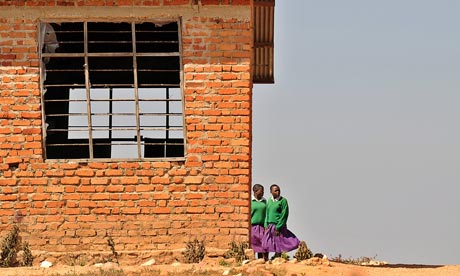
The UK's Department for International Development (DfID) and the Tanzanian government plans to spend the $46m (£29.5m) reparation on education. (BAE has been asked to pay back more than the amount in the original deal). The money will be used to buy 4.4m school textbooks, 192,000 desks, 1,196 teachers' houses and 2,900 pit latrines.
A spokesperson from the campaign group Global Witness welcomed the committee's report but said there were still "a lot of unanswered questions on this story".
