
The tax boss at one of the UK’s top accounting firms will be grilled by MPs on Monday afternoon about his department’s role in devising controversial tax deals for clients in Luxembourg.
Kevin Nicholson, PwC UK’s head of tax, who worked as an HMRC tax inspector in the early 1990s, will appear before parliament’s public accounts committee following revelations exposing patterns of aggressive tax avoidance by PwC clients that were published by the Guardian and more than 20 other international news outlets last month.
The analyses were based on a cache of hundreds of leaked tax rulings secured by PwC Luxembourg that showed major companies – including drugs group Shire and vacuum cleaner firm Dyson – using complex webs of internal loans and interest payments which have slashed tax bills. The exposure of these arrangements - signed off by the Grand Duchy and all perfectly legal – triggered an emergency debate in the European parliament focussing on the track record of the new European commission president, Jean-Claude Juncker, who had dominated Luxembourg politics as prime minister between 1995 and 2013. Juncker has sought to brush aside criticisms, insisting: “I am not the architect of the Luxembourg model because this model doesn’t exist.”
Nicholson, who will be joined at the hearing by Shire Pharmaceuticals’ head of tax Fearghus Carruthers, appeared in front of the same parliamentary committee last year alongside counterparts from rivals Ernst & Young, KPMG, and Deloitte. At that hearing he was quick to attack the complexity of international rules on tax, which he said needed updating. He also declined to comment when confronted with a leaked tax structuring document by committee chairwoman Margaret Hodge, which showed a string of London’s best-known office blocks were owned by corporate entities in Jersey, Luxembourg and Delaware, saying he did not know of the structure.
However, the detail involved in last month’s batch of leaked documents, plus the scale of the media reports prompted by their publication by the International Consortium of Investigative Journalists, will make it harder for PwC to avoid answering questions this time. While PwC is a distinct legal partnership from PwC in the UK, Nicholson is likely to be asked about the level of involvement UK staff have had in tax advice emanating from Luxembourg.
PwC has said: “We stand by the evidence we gave to the public accounts committee in January 2013 and are very willing to clarify any of the points made.”
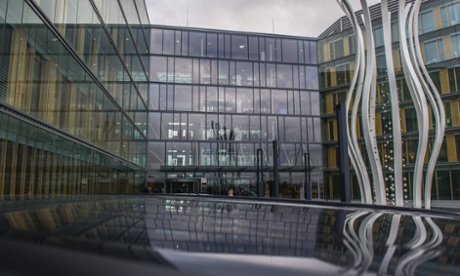
Last year, PwC made revenues of £2.81bn of which £714m came from its tax advisory practice. Meanwhile, PwC Luxembourg had turnover of €276m (£219m) for the year to June 2013, up more than 12% on the previous 12 months. Tax advice accounted for 29% of revenues, up from 24% two years ago. The Luxembourg partnership employs about 2,300 staff – equivalent to one in every 240 people resident in the small country. New offices for the fast-growing practice were officially opened last week at a ceremony attended by the duchy’s prime minister, Xavier Bettel.
