
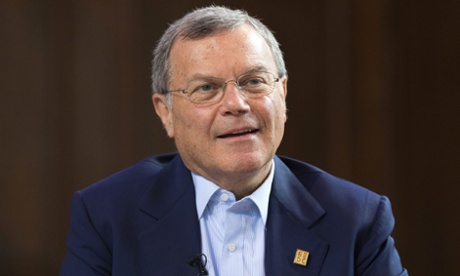
WPP’s chairman has admitted that there is a “Sorrellcentricity” to the way the company is run but justified Sir Martin Sorrell’s proprietorial management style and ballooning pay with an unusual fast food quip: “Like Domino’s, WPP continues to deliver”.
Philip Lader, who has chaired WPP since 2001, used his final letter to shareholders to defend Sorrell against his critics.
“Few would deny a certain ‘Sorrellcentricity’ to the group,” he said in WPP’s annual report published on Wednesday.
“This chief executive, at heart and in practice, acts as an owner-entreupreneur, within the governance requirements of public ownership. Without excess, there is merit to this approach. He does not manage WPP as a personal fiefdom. This mythology is as much the product of journalists’ repetition of ‘Sir Martin Sorrell’s WPP’ as his own energy and influence.”
On the ongoing subject of WPP’s succession plans, Lader pointed out that despite Sorrell’s omnipresence there was management depth.
“Notwithstanding Martin’s high profile and incessant emails … WPP is, I can attest, far more than one individual,” he said. “It is more than a dozen group and functional heads who run all WPP businesses day to day, with far more authority than occasional observers suggest. As I have said, ultimately confronting the ‘succession elephant’ will be part science, part art.”
WPP’s annual report showed that Sorrell pocketed £42.98m last year, including £36m from the vesting of a five-year incentive scheme, a 44% increase over 2013’s total remuneration package.
Sorrell was paid a comparatively paltry £7.2m in 2009, albeit in the midst of the advertising recession.
Lader, who will hand over the chairmanship to Roberto Quarter following an undoubtedly final fiery annual meeting later in the summer, said that in the five-year period relating to Sorrell’s incentive scheme vesting shareholders have received returns totalling £12.8bn.
Lader said his final shareholder letter gave him the liberty to offer a “personal, up-close aside” on Sorrell.
“Some observers might prefer a chief executive to opine less on politics, to be less available to media and conference rostrums, and to resist requests to comment on compensation,” he said. “WPP, however, is a marketing business, and few can match Sir Martin Sorrell in capturing media attention, coining a substantive phrase, or promoting their companies.”
Pre-empting the grilling that shareholders will give WPP’s board over Sorrell’s remuneration later this summer, Lader said that there were “misunderstandings” about his pay regime.
“An unwelcome, but understandable spring ritual for this chairman has been the media attention to our chief executive’s compensation,” he said. “Given the quantum, little surprise.”
He said that the long-term incentive scheme is based on WPP’s performance versus its competitors over a five-year period and had been approved by more than 80% of shareholders.
