
The Bank of England has joined the Bank of Japan and the US Federal Reserve in preserving transcripts of its meetings for posterity. The decision to “aid transparency” with verbatim records of monetary policy committee (MPC) debates follows the publication of the Kevin Warsh report into the Bank’s efforts at communication.
There was intense lobbying from central bank watchers for the British institution to fall in line with its bigger cousins, though they will only be half smiling at the outcome. The Bank has chosen to delay publication of transcripts for eight years rather than the five adopted by the Fed. It will also only publish the second of its two days of deliberations, excluding the more interesting first day when officials challenge each other, play devil’s advocate and muse on the more esoteric risks that could knock the UK economy sideways.
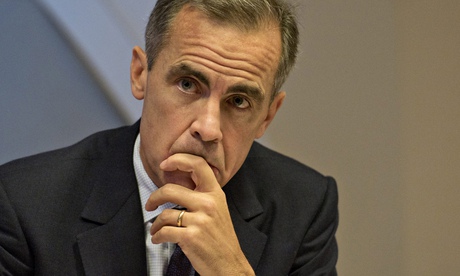
Bank governor Mark Carney was keen to stress that Warsh approved of the first day remaining behind a shroud.
Warsh, a former Fed official, told a press conference that the Bank’s deliberations are “second to none” and would be jeopardised by full disclosure.
Carney also brushed off concerns that the Bank remained outside the Freedom of Information Act and therefore beyond the reach of open public questioning. He said the publication delay was needed to go beyond the current five-year business cycle.
But he emphasised that the main aim of the reforms was to improve the Bank’s communications with the public and markets over the path of interest rates.
This is where the MPC has faced severe criticism both from those who believe it doesn’t disclose enough and analysts who would prefer it went back to its more obscurantist ramblings from which it was almost impossible to divine any meaning.
The proposal to publish the minutes alongside the interest rate decision is supposed to give a more consistent message. The three-week wait between rate decisions and the minutes, during which speculation was rife over the Bank’s direction of travel, will be no more from next August.
Yet, most of what has confused the markets and borrowers with high debt interest bills has been the governor’s speeches. These have made a huge impact on consumers and how relaxed they feel about opening their wallets and spending.
A surge in recent months of unsecured credit borrowing appears to relate directly to the clearer message from the Bank that interest rates will remain at rock bottom well into next year and probably rise even more gradually than previously forecast. In the spring, a tougher message that rates would rise imminently choked spending.
There are other factors at play, such as an equally recent rise in aggregate wage levels that Bank officials have spotted and believe is going to become a major factor in policymaking next year. Rising wages also trigger greater spending and borrowing.
But still, what the Bank says matters because borrowing is what Brits do and the cost of credit is therefore important. These reforms may make a difference, but the governor’s own view in his interviews and speeches will play an equally important role. And it is that message that should be consistent if he wants to eliminate shocks to consumer confidence and spending.
