

Several hams contained no pork, only poultry meat or “meat emulsions” from a species other than pork; one ham contained mechanically separated pork not permitted in ham. Photograph: Alamy Photograph: Alamy
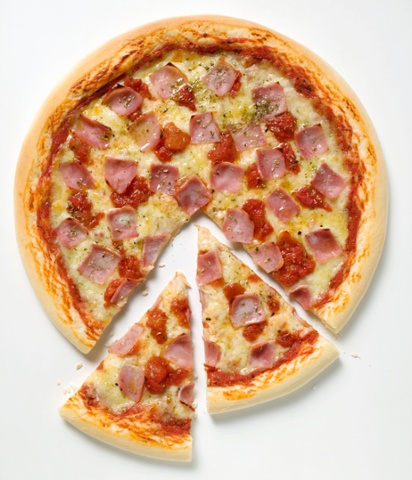
Two samples of mozzarella tested showed one was only 40% dairy fat, and another only 75% dairy fat. The substitution of cheaper vegetable oil for milk fat is common in cheese and would be legal so long as it’s not described as cheese, although these were. Photograph: Foodcollection/Getty Images Photograph: Foodcollection/Getty Images
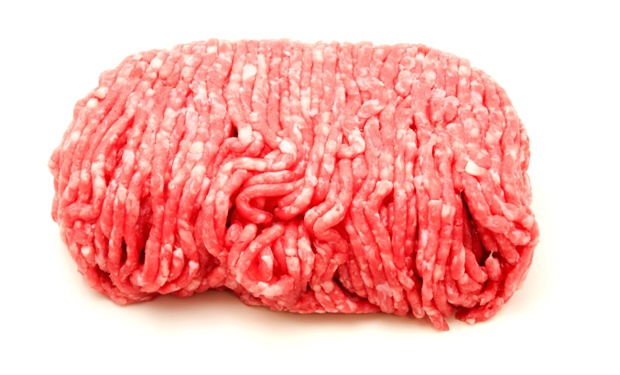
Fourteen samples of mince and diced meat contained other species than the one claimed, for example, a sample called diced beef contained 10% pork, several beef mince samples contained pork, lamb and/or poultry meat too, and meat claiming to be lamb contained no lamb. Photograph: Alamy Photograph: Alamy
Of 24 samples, nine were not what they claimed or were not properly labeled. Two contained additives that are not permitted in the EU, including brominated vegetable oil, used in sports drinks in the US, designed for use in flame retardants and linked to behavioural problems in rats at high doses. Photograph: Stockdisc/Getty Images Photograph: Stockdisc/Getty Images
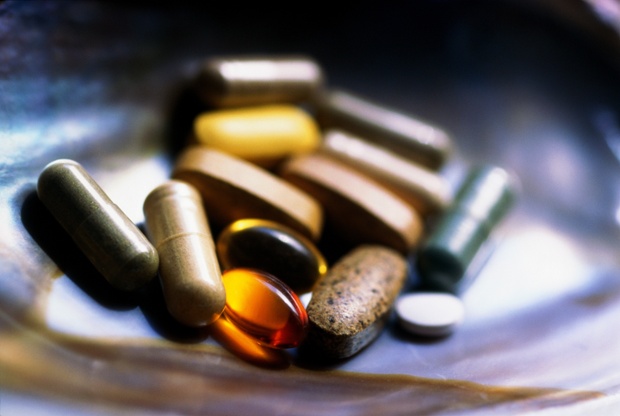
43 samples tested, 88% made claims that are not allowed or were mislabelled. Photograph: Getty Images Photograph: Getty Images
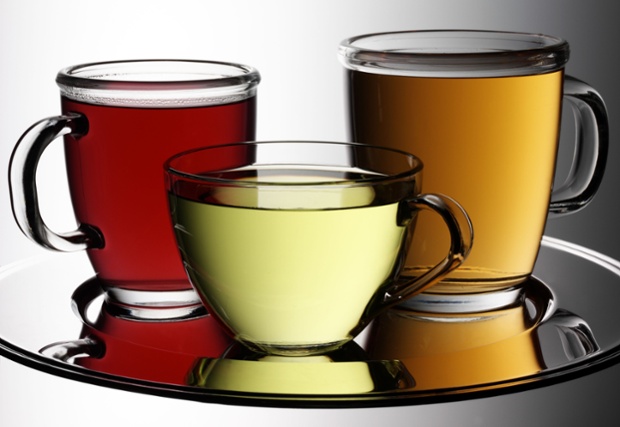
A herbal slimming tea that had a picture of herbs and a cup of tea on its box in fact contained neither but was instead 81% glucose powder mixed with a prescription drug for obesity, now withdrawn because of side-effects, at levels that were 13 times the normal dosage. Photograph: Food and Drink/Rex Features Photograph: Food and Drink/Rex Features
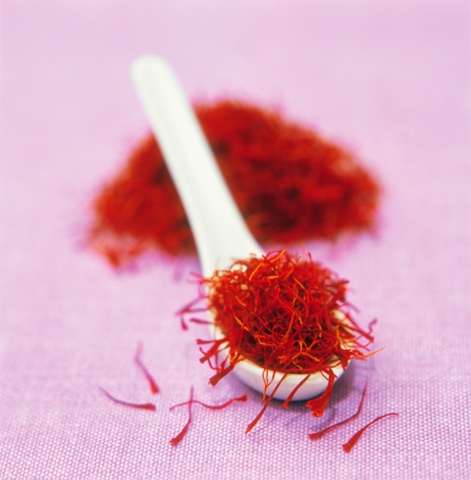
Adulteration of saffron is as old as the middle ages. Three out of five samples contained a high percentage of flower waste instead of the crocus stigmas they should consist of. Photograph: J.Garcia/photocuisine/Corbis Photograph: J.Garcia/photocuisine/Corbis
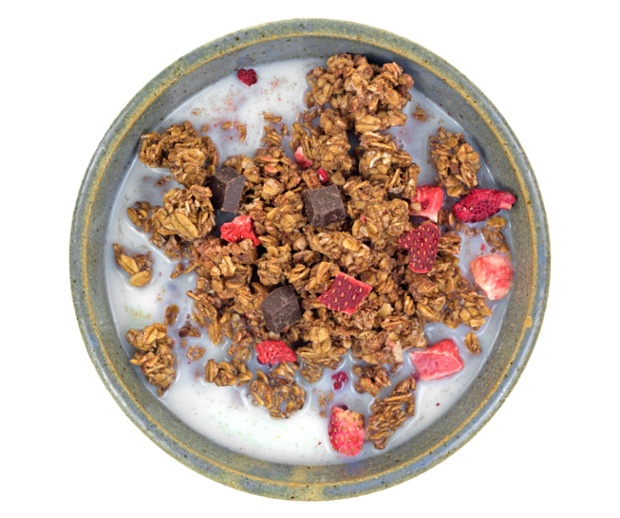
A box of breakfast cereal described as chocolate and strawberry was 20% short of the chocolate ingredient it claimed. Photograph: Alamy Photograph: Alamy
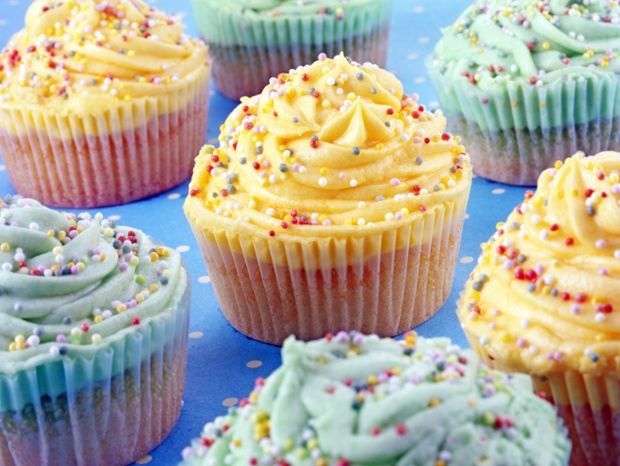
Coloured glitter on cupcakes were bits of plastic film, not permitted for food use. Photograph: Food and Drink/Rex Features Photograph: Food and Drink/Rex Features
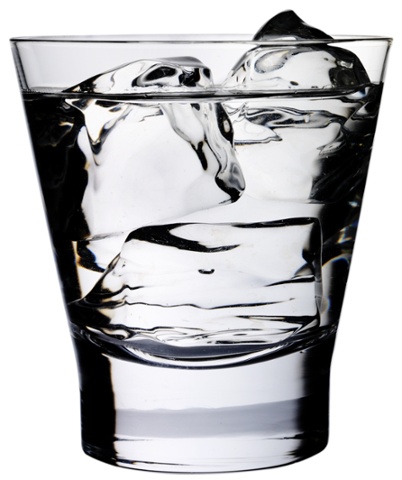
Three vodkas were below the alcoholic strength required to be called vodka and in one case the spirit was made not from alcohol derived from agricultural produce but from isopropanol, used in antifreeze and as an industrial solvent. Photograph: Food and Drink/Rex Features Photograph: Food and Drink/Rex Features
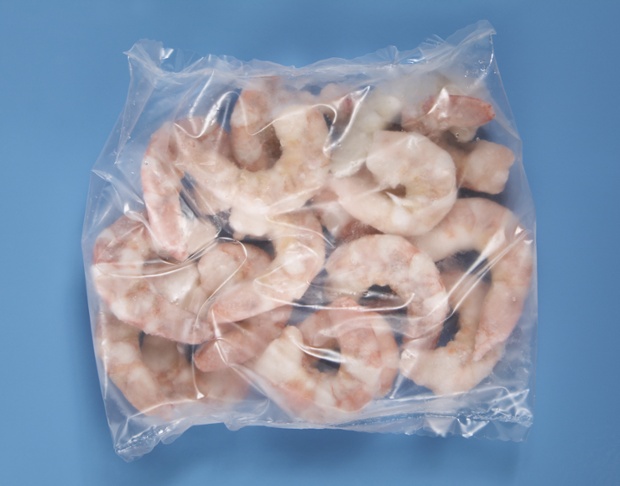
A 1kg pack of frozen raw king prawns was in fact only 570g prawn. The frozen glaze accounted for a large part of the weight and the prawns themselves were 18% added water. Photograph: WestEnd61/Rex Features Photograph: WestEnd61/Rex Features
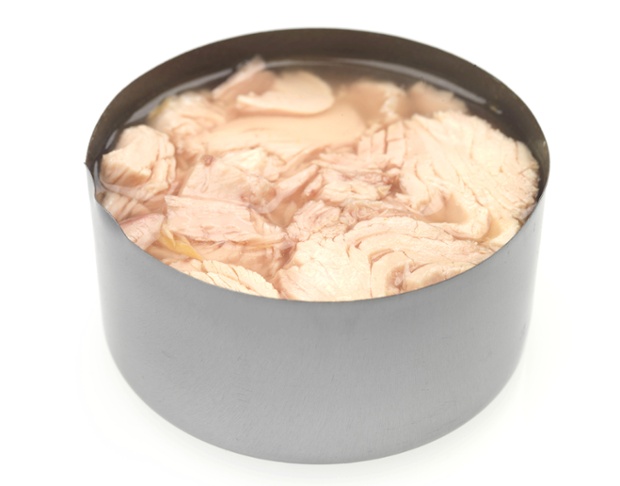
A tin of tuna flakes was 21% short of its declared protein content. Photograph: Martin Lee/Rex Features Photograph: Martin Lee/Rex Features
