
What do economists do to their children’s beachball after a vigorous afternoon session by the seaside? Do they deflate it? Don’t be daft. They negatively inflate it.
You may not quite get the difference between the two, but don’t worry. This week might provide you with the chance to enrol in one of those crash courses in the dismal sciences that we all adore, as there’s a chance that when the latest inflation data is revealed we will discover that prices have been falling (at least according to the consumer price index measure).
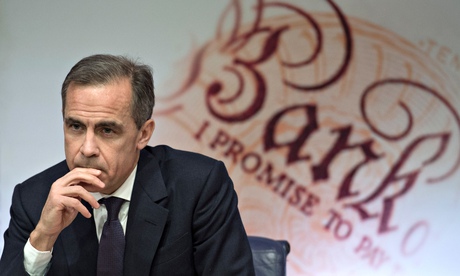
In February, Bank of England governor Mark Carney predicted the UK would experience its first bout of negative inflation in more than half a century – with the last time it retreated being March 1960, according to the closest comparable data from the Office for National Statistics.
Still, the Bank expects the slump in oil prices and falling food prices to keep inflation low in the short term, only for lower oil prices to then significantly boost consumer spending, which in turn should fuel growth and push inflation higher over the medium term.
Incidentally, the difference between deflation and negative inflation is this. Negative inflation is falling prices over a short period, but over the medium to long term it’s called deflation. Or, on the beach, a slow puncture.
Debenhams avoids cuts to prices – or the boss’s pay
There are not many achievements that the City is willing to credit to Debenhams boss Michael Sharp, but there is one that he can surely be proud of. The UK’s (potential) new economic model of falling prices is one lifted right out of the retailer’s chunky playbook of disasters.
The department store got itself into all sorts of trouble last year over its constant discounting – and after it finally grew tired of all the stick, it came up with a plan: fewer discounts, improved online delivery and better product, by introducing concessions from the likes of, er, Sports Direct.
Anyway, this year Debenhams avoided a repeat of the sharp profit warning of Christmas 2013, but its trading over the 2014 festive period was still disappointing, and we will find out this week whether it’s making progress when it reports much-anticipated results.
Still, while some price-slashing is hard to stop – the shares are still trading at a large discount to the sector – Debs has proved that other prices can rise. For example, in the 12 months to August, Sharp enjoyed a 32% rise in his pay, despite the continuing struggles at the department store. Isn’t life grand?
WH Smith prospers after Swann’s departure
There’s a school of thought that if the price of a bottle of water from WH Smith was used to calculate CPI, we might now be in the realms from hyperinflation.
As thirsty airline and train travellers frequently moan, such are the retailer’s prices for H2O, that purchases must be accompanied by a free copy of the Daily Telegraph and a check on your own credit worthiness. Neither tends to be all that welcome.
Anyway, the retail chain seems to know what it’s doing, as we may find out again when it reports this week.
Following Kate Swann’s lengthy acclaimed spell running a shop, plenty (including this page) feared for her successor, Stephen Clarke, who took over in July 2013. But in what may yet prove to be the only case in recent history of a top retailer resisting the temptation to stitch up their replacement, WH Smith shares are close to doubling since Swann left.
All of which is something of a surprise. The rule of thumb in the shopping sector is that when a long-standing and widely lauded chief executive stands down, you sell the shares. But here, loyal WH Smith investors who held on after Swann left have been rewarded – and are probably now so rich that they can afford to buy a drink from WH Smith.
