
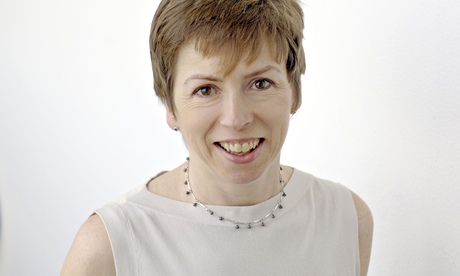
The House of Lords, bowed by the weight of history, has a committee investigating the lack of middle-aged female presenters and newsreaders on British TV. But in terms of back office power, not front-of-camera salience, a trend is beginning to turn into a tide. Fran Unsworth was made head of the BBC World Service the other day. She joins Helen Boaden, head of radio, and Gwyneth Williams, controller of Radio 4, near the top of broadcasting’s ladder. And over on television, Charlotte Moore controls BBC1, Kim Shillinglaw runs BBC2 and BBC4, Sam Bickley is in charge of BBC3, Barbara Slater is controller of sport; and there are more controllers – Lisa Opie, Emma Swain and Tamara Howe for starters – down the line.
Anne Bulford is the immensely powerful director for finance and operations. Rona Fairhead, of course, is the new Trust chair. Wherever you look in Portland Place, women are jostling for top roles.
Is that the same as reading the news or presenting Countryfile? That’s a debate that Dorothy Byrne, C4’s brilliant head of news, can join, along with Deborah Turness, the ex-ITN boss who is president of NBC News in New York, and Sophie Turner Laing, new chief exec of the “mega indie” formed of Endemol, Core and Shine. And never forget there’s Jay Hunt, C4 chief creative officer, and Ofcom chair Patricia Hodgson.
In short, look at the BBC’s biggest, most impactful channels, at the editors who make a difference right across TV, at the depth of talent coming up, at the supreme regulators. Then pause for a moment. Equality is more than getting a word or a wrinkle in edgeways. Equality is celebrating when you’ve won at least one premier league.
